
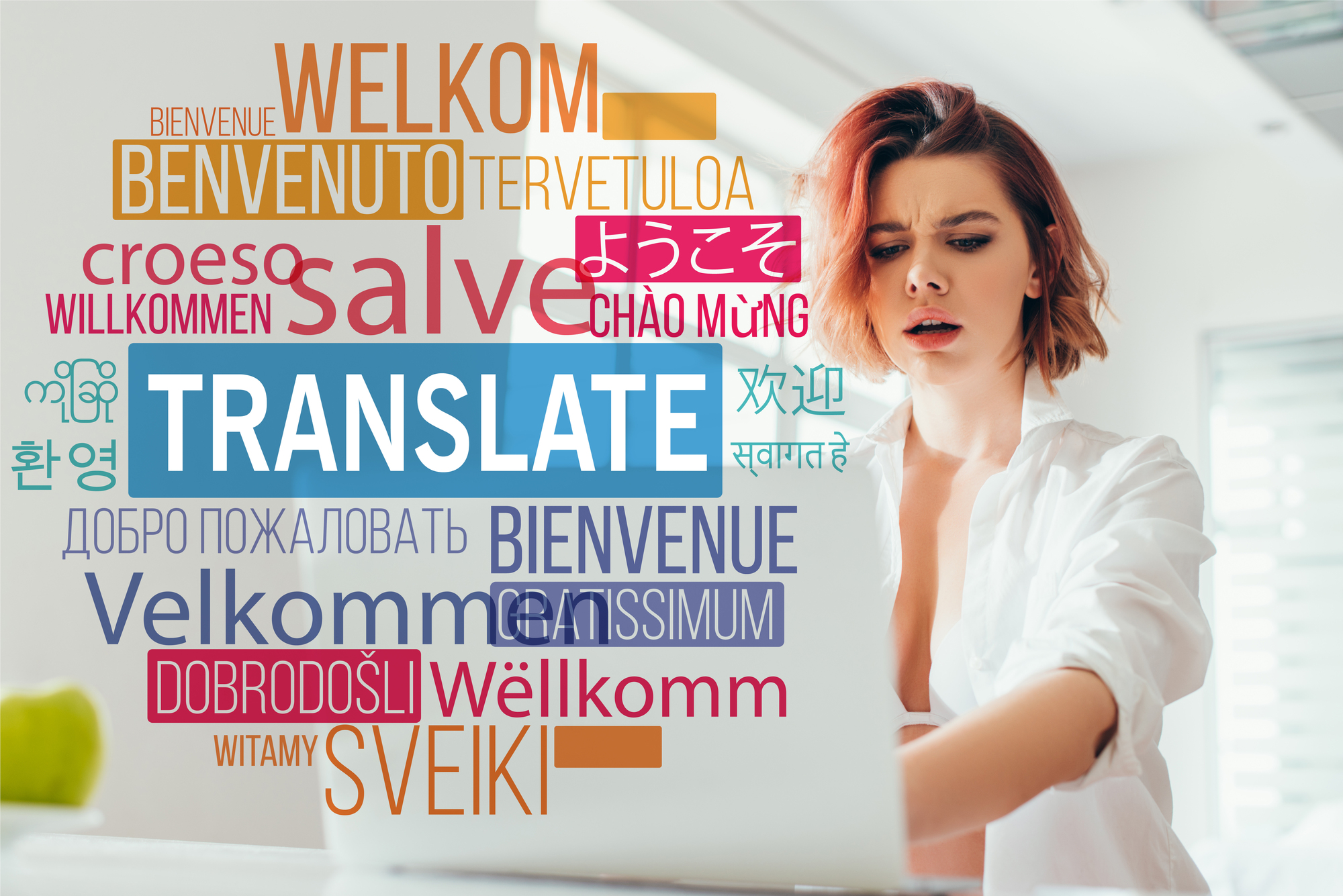
In today’s digital landscape multilingual website design is no longer a rarity, it’s become more commonplace. Whether you’re a smaller local business looking to scale your operations overseas, or potentially a larger business with a pre-existing worldwide network, creating seamless experiences for a range of linguistic audiences is now a massive competitive advantage.
In 2025, designers already have access to many powerful tools. Platforms like Joomla, which have long been praised for multilingual support, are continuing to update their toolsets and become even more powerful when combined with the latest techniques, like leveraging AI.
Smart Auto-Translation with Custom AI Models
Autotranslation has come a long way from awkward machine generated text and the old horror stories of students being forbidden from using Google Translate in their school work. Thanks to packages such as GPT based systems and platforms like DeepL, designers and developers can now integrate AI models trained on domain-specific content to produce nuanced, human-like translations. These systems aren’t just translating word-for-word like old software; they can adapt tone, meaning and context.
Customisation is a really important part of this too; tools like OpenAI’s API or Meta’s translation tools can be trained using your brand voice. Designers can also integrate this AI workflow into design tools like Figma, or directly within the CMS to give perfect control over how differently translated versions of a site will integrate into a design.
Voice and Multilingual Accessibility
As voice interfaces and screen readers have become more sophisticated, accessibility has become increasingly critical for designers. For multilingual websites, this means ensuring that language metadata is correctly set (like lang attributes in HTML), so assistive technologies know how to pronounce content properly and switch to the correct reading rules.
Voice UI is also gaining traction, especially in mobile-first markets. Integrating voice search or navigation that supports multiple languages enhances accessibility and broadens your reach — especially in regions where literacy or screen-based navigation presents a barrier.
Designers should consider pronunciation clarity, phonetic spacing, and read-aloud testing when crafting multilingual content. For example, a navigation label that works in English may need adjustments in Japanese or Arabic to sound clear and intuitive via text-to-speech.
Accessibility is one place where Joomla has really solid support. You can easily set and switch language attributes per page or module, and combined with screen reader friendly templates and Joomla’s approach to content there is a really solid base for accessible design. Extensions and custom modules can also integrate with voice APIs to deliver spoken search or feedback in different languages.
Dynamic Image Localisation
Localisation of images is no longer just swapping out text in graphics and in captions - it can be about cultural relevance, tone and avoiding visual missteps. AI tools now allow designers to automatically tag and categorise images by region, theme and sentiment, making it easier to automatically select visuals that apply to different audiences.
At the extreme end, now that AI image generation has got so much better in the past year, you can generate alternative variants of images to match regional audiences and expectations. As this technology develops further and becomes integrated with more web tools and plugins, we can expect to see it a lot more within the websites you see on a daily basis. Certainly, the days of bland generic stock images are gone.
One way Joomla works well with this strategy is that it uses language specific folders and can pair images with translated content natively. By integrating third-party AI tagging systems or using additional extensions for conditional content display, designers can build systems where the site will automatically serve regional content from the backend.
Localisation Beyond Translation
Beyond just looking at changing languages and images on a website, you can go even further with localisation and adapting your website to different cultures. A great designer will understand how different cultures interact with interfaces. A call to action that works perfectly for an English audience might not track perfectly with a Japanese audience. An icon that implies one thing in Spain might not mean the same thing in Egypt.
As a designer it is important to pay attention to:
- Text direction: Supporting layouts for different text directions depending on language, like Arabic or Hebrew.
- Tone of voice: Microcopy needs to adapt in different ways, like formality, humour or urgency, based on cultural norms.
- UI conventions: Navigation placement, form design and even colour carry different connotations across regions.
AI can help a designer to perfect these things by analysing user behaviour and flagging areas where content or interaction design might need adjusting. Design systems that support localised component variants are becoming more commonplace, so designers can easily integrate regional variants.
Joomla has support - with separate modules and menus for different languages, allowing designers easy control over who sees what content. You can also vary microcopy per language string, without relying on a one-size-fits-all translation.
What about E-Commerce?
Multilingual content is only half the equation when selling to global audiences. Multi-currency and localised checkout flows are essential for trust and making conversions. In this day and age, users expect prices in their native currency, pricing that takes taxes and tariffs into account, preferred regional payment methods and translated legal policies, all without the end user needing to input these things manually.
Modern designers can include features that:
- Automatically detect locale and currency using geolocation or browser settings. This is a common feature among many big players now, so it is important to keep up to be competitive.
- Localise form fields (e.g. name formats or address structures.) This is one area where even a lot of big players fall short. Showing that your web design understands things like different name formats can go a very long way to inspiring consumer confidence. Address structures are another sticking point. Even now, it is common to find websites targeted at the UK and other countries that use American terminology for addresses (ZIP code).
- Set tax, shipping, and tariff calculation dynamically based on region. At the time this article is being written, tariffs and taxes for international shipping are particularly volatile. By using tools that automatically update these things, consumers can be more confident shopping with you.
- Reflect local payment methods. Payment methods change drastically across different cultures. Integrating alternatives to popular Western methods (Cards, PayPal, etc), such as AliPay or WeChat Pay can open up to new markets who would otherwise avoid using your site. Gateways such as Mollie will serve country specific payment methods based on geolocation across Europe.
If you’re targeting people outside your local language, culture or region with your products, you can really pull ahead of the competition by making your site accessible in these ways.
To finish…
Multilingual design today is about more than translation — it’s about anticipating the needs of users across cultures, languages, and devices. With platforms like Joomla offering built-in localisation (and with easy access to additional tools), and new AI tools raising the bar for personalisation, designers now have more power (and responsibility) than ever to create web experiences that feel truly native — no matter where your users are. Audience targeting is more crucial than ever to pull ahead of the competition.
We’ve included some additional links below for further reading:
- Joomla, the natively multilingual CMS platform: https://www.joomla.org/
- Mollie for international payments: https://www.mollie.com/gb/
- DeepL for Joomla: https://extensions.joomla.org/extension/languages/automatic-translations/automatic-translation-with-deepl/
- Gtranslation for Joomla: https://extensions.joomla.org/extension/gtranslate/

